Source Semi Automated Hops Cannon for Beer Dry Hopping, Fermenting, and Brewing
Compare 30 semi automated hops cannon listings from verified Chinese manufacturers. Buyers can evaluate specifications like 100L capacity, SUS 304 material, and ISO CE certifications for beer dry hopping and fermenting equipment needs.
Key considerations
Products List
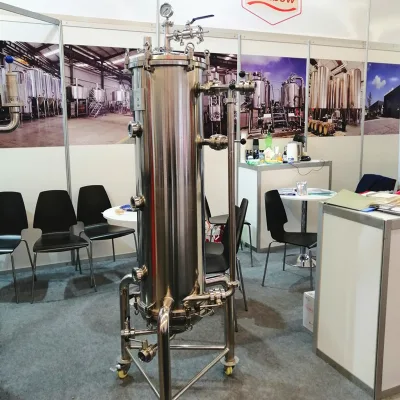
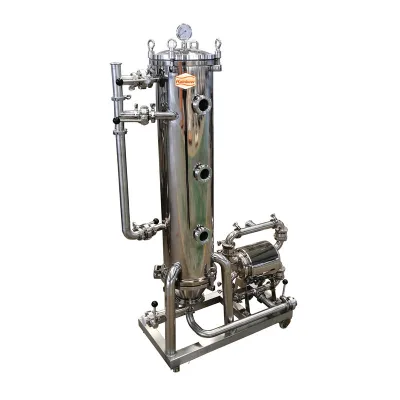
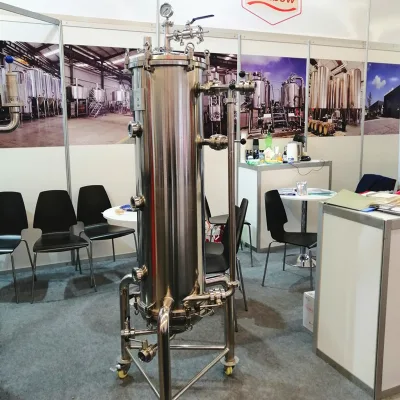


Security Fog System Cost Cannon
$1563.00 - $1813.00
Moq: 1
Qingdao Century Runde Environmental Protection Equipment Co., Ltd.




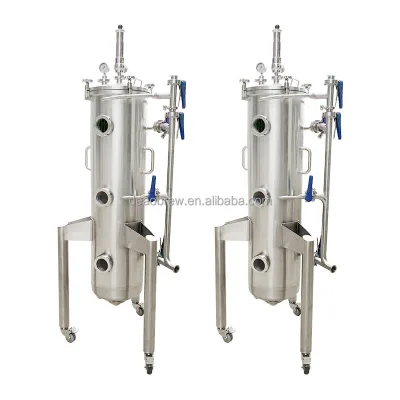


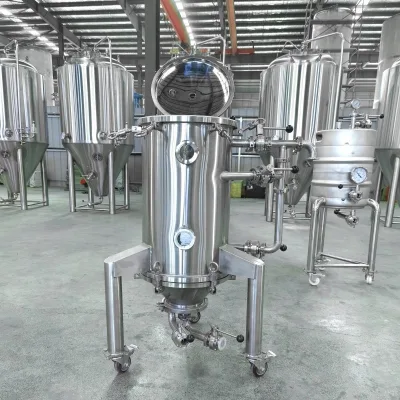
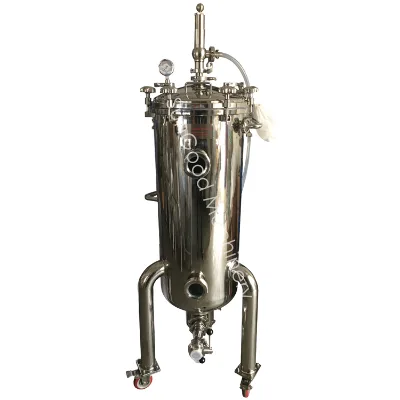
Comprehensive Sourcing Guide
Strategic Sourcing Guide for Semi-Automated Hops Cannon Systems
The procurement of specialized brewing equipment, specifically semi-automated hops cannons, requires a rigorous approach that balances technical performance with supply chain reliability. These systems, often referred to as hop guns or dry hop tanks, are critical for the dry hopping process in modern beer production. The objective is to integrate equipment that ensures efficient hop utilization while maintaining strict hygiene and operational consistency. This guide synthesizes observed market data and technical attributes to provide a structured framework for buyers evaluating potential suppliers and product configurations.
Technical Specifications and Operational Architecture
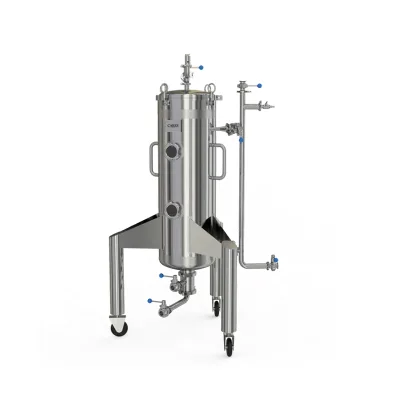
Understanding the mechanical and material specifications of a hops cannon is the first step in the evaluation process. The core component of these systems is the hop gun tank, which serves as the vessel for pressurized hop transfer. Based on available product data, the primary construction material is consistently identified as SUS 304 stainless steel. This material grade is essential for brewing applications due to its corrosion resistance and ability to maintain product purity. The equipment is designed to be pressurized, facilitating the pneumatic transfer of hops from a storage vessel into the fermentation tank.
Capacity varies significantly across different models, with observed configurations ranging from 50 liters to 300 liters. Specific model numbers such as HG100 and EM-10 indicate distinct capacity tiers, with 100-liter units being a common reference point. The physical dimensions of the machinery are critical for facility planning; standard observed dimensions include a footprint of 550mm by 550mm with a height of 2100mm, though customized dimensions are frequently available to meet specific plant layouts. The single package size for shipping is typically around 60x60x50 cm, with a gross weight for a 100-liter unit observed at 60 kg, while other configurations may weigh up to 150 kg.
The operational mechanism often involves an electric drive system. While some listings indicate a power consumption of 0 watts for specific tank configurations, others reference substantial power requirements for associated machinery, such as a total power of 55 kW or a fan power of 11 kW, suggesting that the "cannon" aspect may involve auxiliary pneumatic or mechanical systems depending on the specific supplier's design. The operation type is generally automatic, with an installation method specified as horizontal. The internal architecture includes a hop filter, which is a key selling point for ensuring that hop solids are managed effectively during the transfer process. The system is designed for beer dry hopping, a process where hops are added to beer post-fermentation to impart aroma and flavor without excessive bitterness.
Compliance, Certification, and Safety Standards
In the industrial brewing sector, compliance with international standards is non-negotiable. Buyers must verify that the equipment carries recognized certifications. The observed market data indicates that suppliers often provide ISO and CE certifications. The ISO certification suggests adherence to quality management systems, while the CE mark indicates conformity with health, safety, and environmental protection standards for products sold within the European Economic Area.
Beyond general certifications, the machinery test report is a critical document. This report provides empirical evidence of the equipment's performance and safety under load. Buyers should request this document to verify that the pressure ratings and structural integrity of the SUS 304 vessels meet the specific requirements of their brewing process. The warranty period is another indicator of manufacturer confidence; a standard warranty of 3 years is observed in the market, which should be clearly defined in the purchase agreement.
Safety features are paramount in pressurized systems. The equipment is designed to handle high-pressure environments, and the presence of inlets, outlets, and valves is essential for controlling the flow of hops and gas. The "Product Applications" field in some listings mentions construction, mining, and ports, which may refer to the broader manufacturing capabilities of the supplier or the robustness of the chassis, but the primary application for the hops cannon remains within the brewing industry. Buyers must ensure that the specific unit they procure is certified for food-grade and pressurized beverage applications, distinguishing it from industrial equipment intended for non-food sectors.
Cost Drivers and Pricing Dynamics
The pricing of semi-automated hops cannons is influenced by several variables, including capacity, customization, and the level of automation. The observed price range in the market is extensive, spanning from $3.50 to $60,000. This wide disparity suggests that the lower end of the spectrum may represent individual components, smaller accessories, or basic tank models, while the higher end likely encompasses fully integrated, automated systems with advanced control panels and larger capacities.
Capacity is a primary cost driver. Units with capacities of 50L, 100L, 200L, and 300L will have different price points, with larger vessels requiring more material and engineering. Customization is another significant factor; while standard models are available, the "Customization: Available" attribute indicates that buyers can request specific dimensions, valve configurations, or control interfaces, which will inevitably increase the cost. The material grade, specifically SUS 304, is a baseline requirement, but if a supplier offers higher-grade materials or specialized coatings, the price will reflect this.
Minimum Order Quantity (MOQ) is another consideration. The observed MOQ range is between 1 and 10 units. For small breweries or pilot plants, an MOQ of 1 allows for a single unit purchase, whereas larger operations might negotiate bulk pricing for orders of 10 units. The selling unit is typically listed as a single item, but buyers should clarify if the price includes installation guides, spare parts, or shipping costs. The production time of 4 weeks is a standard lead time that affects the total cost of ownership when factoring in inventory holding costs or production delays.
Typical Applications and Process Integration
The primary application of the semi-automated hops cannon is beer dry hopping. This process involves the addition of hops to beer after fermentation to enhance aroma profiles. The equipment facilitates this by using pressure to transfer hops from a storage tank into the fermentation vessel. The "Inside: filter" attribute ensures that the hop material is contained and managed, preventing clogging in the fermentation lines.
The versatility of these systems allows them to be integrated into various stages of the brewing process. While the core function is dry hopping, the "Processing: Other" and "Fermenting Equipment" classifications suggest that these units can be part of a broader fermentation line. The ability to operate automatically reduces the labor burden on brewery staff, allowing for consistent dosing and reduced risk of human error.
It is important to distinguish the hops cannon from other industrial machinery. While some product listings mention applications in construction or mining, these likely refer to the general manufacturing scope of the supplier or the durability of the frame, rather than the intended use of the hops cannon itself. The specific design features, such as the hop filter and pressurized capability, are tailored exclusively for liquid processing in the food and beverage industry. Buyers should ensure that the equipment is configured specifically for liquid handling and not repurposed from heavy industrial applications.
Supplier Evaluation and Verification
Selecting the right supplier requires a thorough evaluation of their capabilities and track record. The "Place of Origin" for many of these units is Shandong, China, a region known for its manufacturing base. Buyers should verify the supplier's location and ensure they have the necessary infrastructure to support international shipping and after-sales service. The "After Warranty Service: Online support" attribute indicates that remote assistance is available, which is crucial for troubleshooting operational issues without the need for immediate on-site visits.
When evaluating suppliers, buyers should look for evidence of a machinery test report and a clear warranty policy. The 3-year warranty is a standard benchmark, but the terms of coverage should be scrutinized. Does it cover parts, labor, or both? What is the response time for service requests? The "Production time" of 4 weeks should be confirmed as a realistic lead time for the specific order size.
Suppliers offering customization should be asked for examples of previous custom projects to gauge their engineering capabilities. The "Feature: with hop filter inside" is a standard specification, but the quality of the filter mesh and its ease of cleaning should be verified. Additionally, the "Operation Type: Automatic" claim should be validated through a demonstration or video to ensure the control logic is robust and user-friendly.
Quality Control and Long-Term Procurement
Quality control begins with the raw materials. The use of SUS 304 stainless steel is a critical quality indicator. Buyers should request mill certificates for the steel to verify the grade and ensure it meets food-grade standards. The welding quality of the tank and the integrity of the valves are also vital; any leaks or weak points can compromise the pressurized system.
Long-term procurement considerations include the availability of spare parts and the ease of maintenance. The "Single package size" and "Single gross weight" data help logistics planners estimate shipping costs and storage requirements. The "Export Packing" standard ensures that the equipment is protected during transit, but buyers should inspect the packaging upon delivery for any signs of damage.
The "Voltage" specifications of 380V and 220V indicate that the equipment is designed for different electrical standards. Buyers must ensure that the unit they purchase matches the electrical infrastructure of their facility. The "Driven Type: Electric" confirms that the system requires a power source, and the power ratings observed (ranging from 0W for the tank to 55kW for auxiliary systems) highlight the need for proper electrical planning.
Finally, the "Key Selling Points: Easy To Operate" should be a priority. A system that is difficult to operate can lead to inefficiencies and increased training costs. Buyers should request user manuals and training materials to ensure that their staff can utilize the equipment effectively. By focusing on these quality control measures and long-term support factors, buyers can secure a reliable supply of semi-automated hops cannons that enhance their brewing operations.
Summary of Key Attributes for Buyer Verification
To assist in the final selection process, the following table summarizes the critical attributes that buyers should verify against supplier data sheets.
| Attribute Category | Key Verification Points | Observed Market Standard |
|---|---|---|
| Material | Stainless Steel Grade | SUS 304 |
| Capacity | Volume Range | 50L, 100L, 200L, 300L |
| Certification | Quality & Safety Marks | ISO, CE |
| Warranty | Duration & Coverage | 3 Years |
| Dimensions | L x W x H | 5505502100mm (Standard) |
| Power | Voltage & Type | 380V/220V, Electric |
| Process | Application | Beer Dry Hop |
| Service | Post-Sales Support | Online Support |
| Customization | Availability | Available |
| Lead Time | Production Duration | 4 Weeks |
By adhering to these verification points and maintaining a disciplined approach to sourcing, buyers can effectively procure semi-automated hops cannons that meet their specific operational needs while ensuring long-term reliability and compliance with industry standards.
FAQs
What is the primary application of a semi automated hops cannon?
The primary application is beer dry hopping to add aroma and flavor post-fermentation. The equipment uses pressurized transfer to move hops from a storage tank into the fermentation vessel efficiently.
Which material is used for the main tank construction?
The main tank is constructed from SUS 304 stainless steel. This material ensures corrosion resistance and maintains product purity required for food-grade brewing applications.
How much does a semi automated hops cannon typically cost?
The observed price range spans from 3.5 to 60000 USD depending on configuration. Lower prices often reflect basic components while higher costs cover fully integrated automated systems.
What certifications are available for this equipment?
Available certifications include ISO and CE marks for quality and safety compliance. Buyers should verify the machinery test report to ensure structural integrity under pressure.
Can the dimensions be customized for specific facilities?
Yes, customization is available for dimensions to meet specific plant layouts. Standard units measure 550 by 550 by 2100 mm, but other sizes like 50L or 200L are offered.
What is the warranty period for the machinery?
A standard warranty of 3 years is provided for the equipment. After warranty service includes online support to assist with operational troubleshooting and maintenance.
How is the hop gun operated within the system?
The operation type is automatic with an electric driven type. The system features an internal hop filter to manage solids and prevent clogging during the transfer process.